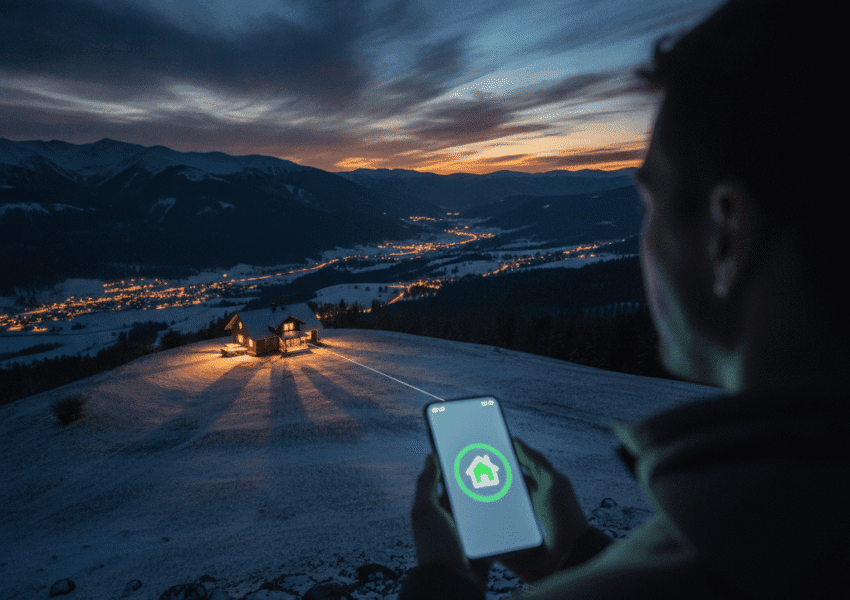
Keeping older adults safe and independent feels like a nonstop job for family and caregivers. Ambient technology steps in by quietly tracking daily habits without using noisy gadgets or constant phone calls. Picture an invisible friend who watches closely and quietly sends a small warning if something looks off. This tech works like a caring guardian, offering comfort without being pushy. Curious about how small tech tools can protect loved ones while keeping their freedom? Keep reading—you’re about to discover a game-changer in home care.
In this article I will unpack how ambient devices work in the home and what practical benefits they bring for seniors and those who care for them. Expect clear examples, selection tips, and privacy considerations so you can make a confident choice that fits a real life setting.
Elder Care Made Simple with Ambient Tech explained
Ambient tech uses passive sensors placed around a home to collect information about movement, temperature, door use and other signals that reflect everyday activity. This approach looks for shifts in routines such as less time spent in the kitchen or longer periods in bed. Those changes can be early indicators of health issues or mobility loss.
One reason this approach is appealing is the low burden on the senior. There is no need to remember to wear a device or to push buttons. Data flows in quietly and can be reviewed by family members or a professional care team. With clear alerts and summaries the system acts like a quiet watchdog that focuses attention where it is needed.
Core components of an ambient monitoring system and how they work
Most systems combine several simple parts that work together.
- Motion sensors that record movement in key rooms
- Contact sensors on doors and cabinets to track usage of entrances and kitchen items
- Bed and chair sensors that note changes in rest and sleep patterns
- Environmental sensors that monitor temperature and humidity for comfort and safety
- Local hub that collects signals and sends summarized reports to a caregiver dashboard or mobile app
These elements produce a profile of daily life. Over time the system learns a baseline and highlights deviations from that baseline. Alerts can be set for items such as missed medications as indicated by a pattern change or an unusual lack of movement during daytime hours.
Real world examples where ambient tech helped seniors
Here are concrete scenarios where passive monitoring made a clear difference.
- An 82 year old who began taking longer naps. The system flagged a change and family discovered a urinary tract infection early when treatment prevented escalation.
- A retired teacher who stopped opening her front door as often. Alerts led to a visit that revealed mobility loss and a short period of physical therapy that restored a safer walking pattern.
- A couple living alone where one partner has mild memory issues. Sensors tracked medication drawer use and sent a notification to a distant daughter when a dose was missed for two days in a row.
For readers who want an in depth overview of ambient monitoring and real case studies I recommend reading a practical guide by Craig Murray which covers setup and outcomes in everyday homes.
Benefits for seniors and family caregivers
Ambient systems deliver multiple advantages that matter in day to day life.
- Lower intrusion on personal routines while keeping a safety net in place
- Early detection of changes that can prevent hospital visits
- Reduced need for in person checks so caregivers can focus time on social visits and quality support
- Actionable data that helps clinicians make informed decisions during appointments
These benefits translate into more comfortable living for seniors and clearer priorities for family members. When alerts are targeted and readable they reduce guesswork and help avoid unnecessary stress.
Privacy and data handling practical tips
Privacy is a top concern when any system collects information from a home. The best approach is to ask specific questions before buying or installing a system.
- Where is the data stored and who can access it
- Can the data be deleted on request
- Is video used or are only non visual sensors in place
- What security measures protect the data in transit and at rest
Choosing sensors with privacy in mind
Non visual devices are often preferred when privacy is a priority. Motion detectors that report activity levels without creating images are effective and less intrusive. Look for vendors that provide clear policy statements and simple controls for family members to manage who sees alerts.
Setting boundaries for alerts and sharing
Agree with the senior about what will trigger a notice and who will receive it. Some families choose tiers of response such as a text message to a child first and a phone call to a neighbor only if the alert is not acknowledged. These rules respect independence while keeping a safety plan active.
Selecting the right system for a home
Not every product fits every living situation. Consider the following points when comparing options.
- Type of residence such as house flat or assisted living unit
- Connectivity options such as local Wi Fi availability and mobile network backup
- Power needs for devices and battery life expectations
- Ease of installation and whether professional setup is offered
Test a system in a single room before wider deployment. A short pilot helps determine whether alerts are useful or too frequent and whether the senior accepts the devices. Small changes such as sensor placement can dramatically affect performance.
Practical tips for integrating ambient tech into daily routines
Successful integration is less about the technology and more about simple habits that make the tech useful.
- Create a weekly check time to review alerts rather than reacting to every single notification
- Use sensor data to support conversations with care professionals during visits
- Combine ambient systems with friendly human contact like scheduled calls or visits to maintain social connection
- Keep an open line of communication with the senior about what the system is noticing so they feel part of the process
Treat the technology as a tool that informs human judgment rather than a replacement for human contact. The most effective plans pair data driven alerts with a clear response plan involving neighbors family or care services.
Costs and long term considerations
Prices for ambient systems vary widely from low cost sensor kits to subscription services with professional monitoring. When evaluating cost consider both upfront hardware fees and ongoing charges for storage and alerts.
Long term think about scale and flexibility. Will the system adapt if the senior moves or if their needs change? Systems that are modular and vendor agnostic reduce the risk of being locked into a single solution that no longer fits.
Ambient technology offers a practical path to safer living for seniors while preserving independence and dignity. It fills a space between episodic visits and full time care by providing timely data that highlights real change. For families this means fewer emergency surprises and more opportunities to intervene early when attention can make a difference.
If you are considering ambient monitoring take these next steps. Start with a short trial in one or two rooms. Agree with the senior on alert rules and who receives them. Ask pointed questions about data handling and opt for systems that use non visual sensors if privacy is a concern. Finally plan for human follow up so alerts lead to timely action and personal contact.
Ambient systems are not a cure all but they are a practical option for many households. They let caregivers focus their energy on human interaction while the system keeps watch for changes that matter. If you want to learn more or see case studies and setup tips follow the guide linked earlier and then decide on a pilot that fits your home. Taking one small step now can reduce stress and create a safer daily life for the person you care about. Reach out to a technology provider or a trusted local support service to arrange a short trial and start gathering useful signals about daily living.