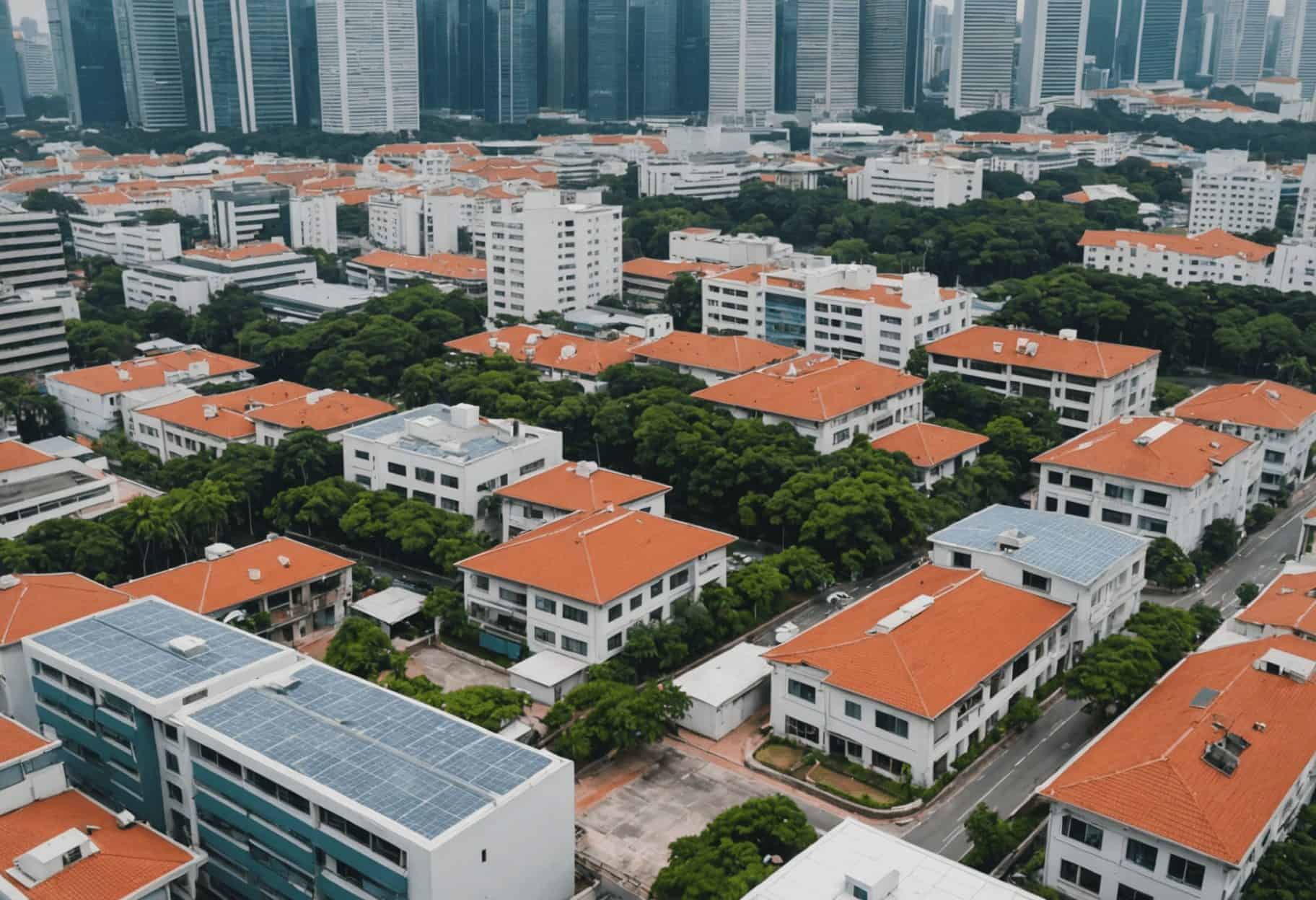
Singapore’s tropical weather brings warm days and sticky air all year, making roofs crucial for keeping homes cozy and protected. City growth turns up the heat with the urban heat island effect, which weakens roofs and cuts their lifespan. When cities pack in concrete and asphalt, temperatures can rise a few degrees above rural areas, breaking down roofs faster than you’d think. Living in the city, knowing this helps pick better roofing materials and stay on top of maintenance. Find out how to shield your home from this sneaky heat foe and keep your roof strong for years to come.
This rise in urban temperatures doesn’t just make living uncomfortable; it accelerates the degradation of building materials, leading to costly repairs and, in some cases, structural safety concerns. Understanding how the urban heat island effect damages residential roofs in Singapore is vital for homeowners, contractors, and city planners alike. Armed with this knowledge, residents can take proactive steps to protect their homes and investments against the relentless heat and its damaging effects.
Understanding the Urban Heat Island Effect in Singapore
The urban heat island (UHI) effect occurs when urban areas experience significantly higher temperatures than surrounding rural spaces. This is primarily due to human activities and the abundance of heat-absorbing surfaces such as concrete, asphalt, and metal. In Singapore, rapid urban development has intensified this phenomenon, creating localized hotspots that exacerbate the natural climate conditions.
Factors Contributing to UHI in Singapore
- Surface Materials: Black asphalt and concrete floors absorb more heat during the day and release it slowly at night, keeping temperatures elevated.
- Dense Building Structures: Tall buildings and narrow streets trap heat, reducing airflow and cooling.
- Less Green Spaces: Limited parks and trees result in less shade and cooling, intensifying the heat retention.
- Human Activities: Increased use of air conditioning, vehicles, and industrial processes generate additional heat.
This combination results in urban temperatures in Singapore often exceeding rural readings by several degrees, extending the duration of high heat levels and affecting the durability of residential exteriors.
How the Urban Heat Island Effect Damages Residential Roofs
The impact of higher temperatures on roofs goes beyond mere discomfort. Elevated heat accelerates material aging, causes expansion and contraction, and can lead to various forms of damage that threaten the roof’s integrity over time.
Material Degradation and Accelerated Wear
High temperatures cause roofing materials such as asphalt shingles, concrete tiles, and metal sheets to degrade faster. Asphalt shingles, for instance, become brittle and crack, leading to leaks. Metal roofs may expand, warp, or develop corrosion, especially if exposed to constant high heat and humidity.
Increased Risk of Leaks and Water Damage
As roofs weaken due to thermal stress, small cracks and gaps can develop, allowing water to seep in during rainstorms. Over time, this moisture can damage underlying structures, promote mold growth, and compromise the safety of the home.
Additional Challenges Posed by Urban Heat in Singapore
The city’s dense environment complicates roof maintenance and reduces the effectiveness of cooling strategies unless homeowners are proactive. The combination of heat damage and the humid climate creates the perfect setting for roofing problems to emerge quickly.
Impact on Roof Insulation and Energy Efficiency
Higher roof temperatures diminish insulation performance, making homes less energy-efficient. Owners often face higher cooling costs to combat the heat infiltrating through the roof, adding to household expenses.
Increased Likelihood of Structural Damage
Prolonged exposure to thermal stress can cause roofing materials to crack, warp, or loosen. In severe cases, this can compromise the structural stability of the entire roof, requiring costly repairs or even replacements.
Practical Strategies to Protect Residential Roofs from UHI Damage
Despite the challenges posed by the urban heat island effect, homeowners can take tangible steps to mitigate damage and extend the lifespan of their roofs.
Implement Cool Roofing Technologies
- Reflective Coatings: Applying reflective paint or coatings can significantly reduce heat absorption, keeping roofs cooler and less prone to thermal expansion.
- White or Light-Colored Materials: Opting for roofing materials with high solar reflectance helps minimize heat buildup.
Enhance Roofing Materials and Design
- Use of Insulated Roofing Systems: Insulation layers beneath the roofing surface help regulate internal temperatures and prevent heat transfer to the living spaces.
- Green Roofs and Roof Gardens: Installing vegetation on roofs not only provides insulation but also absorbs heat and reduces overall urban temperatures.
Maintain Regular Roof Inspection and Repairs
Consistent checks can catch early signs of damage caused by heat stress, such as cracks or leaks. Addressing issues promptly can prevent costly repairs and maintain the roof’s integrity. For instance, if you notice water infiltration or material warping, consulting a professional is advisable. This is especially important because damaged roofs can lead to more severe problems like water infiltration, which might involve complex repairs — you can learn more about such issues at https://waterleakage.sg/.
Choosing the Right Roofing Materials for Singapore Homes
Selecting materials suited for Singapore’s climate and urban conditions is key to reducing damage risks. High-quality, durable roofing options withstand thermal stress better and require less maintenance over time.
Best Roofing Materials for Urban Singapore Homes
- Cool Roof Coatings: These reflective surfaces can be applied to existing roofs, providing instant benefits.
- Clay and Concrete Tiles: These materials are resistant to heat and provide good insulation, making them suitable choices for hot climates.
- Metal Roofs: Modern metal roofing technologies offer corrosion resistance and thermal expansion mitigation features.
Long-Term Benefits of Proper Roof Maintenance in a Hot Climate
Regular upkeep and investing in appropriate roofing systems can significantly extend the lifespan of residential roofs. Protecting your roof from the adverse effects of the urban heat island effect not only preserves the property’s value but also ensures a safe and comfortable living environment.
Take Action to Safeguard Your Roof in Singapore
Being aware of the risks posed by the urban heat island effect is the first step toward protecting your home. Simple measures like applying reflective coatings, ensuring proper insulation, and scheduling regular roof inspections can make a big difference. Remember, early detection of damage prevents costly repairs down the line and maintains your home’s safety and comfort. Engage professionals when needed and don’t wait until small issues turn into major problems. If you’re dealing with persistent roof issues or water leak concerns, consulting experts at https://waterleakage.sg/ can help you find the right solutions.
In conclusion, Singapore’s urban heat island effect is more than just an environmental topic; it’s a tangible challenge affecting the durability of residential roofs. Recognizing its impact allows homeowners to make informed decisions about roofing materials, maintenance routines, and protective measures. While the heat can accelerate material aging and cause structural concerns, proactive steps can mitigate these risks significantly. By investing in the right roofing solutions and maintaining your roof regularly, you safeguard your home against the relentless heat and ensure it remains a safe, comfortable haven amidst Singapore’s vibrant urban landscape.