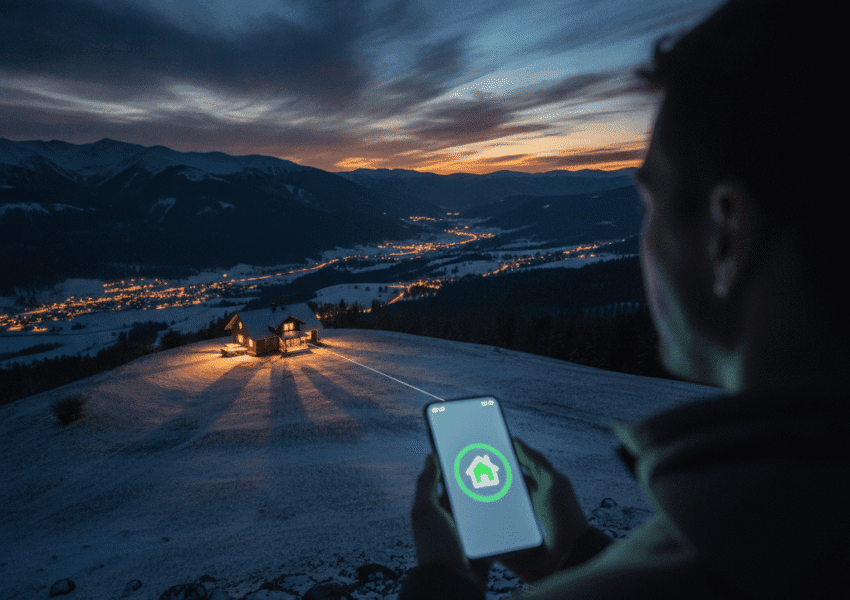
Every fall, many of us start planning a move to a warmer place for the winter. If you are a snowbird, you already know how much work goes into leaving a home for several months. I have packed for these trips many times, and a solid snowbird checklist for staying safe far from home keeps that work organized. Looking back, most of my problems came from small details I never wrote down.
Safety while you are away covers more than locking the door. It includes your house, your belongings, your health and any pets you care for. At Chtrc, we focus on pet care, so this guide gives animals extra attention in each section. Some snowbirds bring a dog or cat along, while others leave a pet with a sitter. Both situations need a clear plan from the start, and I have learned that the plan is easier to build early.
A helpful place to begin is the Tucson Weekly affiliate article on a snowbird safety checklist. The page describes a setup for a Tucson winter and can be a useful starting point if you want a structured approach. I like to read it alongside the steps below, and then I adjust everything to fit my own home and schedule. Every home and travel plan is different, so your version will look different too.
Why a Written Plan Matters for Your Snowbird Checklist
A written plan keeps small tasks from slipping through the cracks. I used to rely on memory alone, and I still forgot to adjust the thermostat once. Writing each step down gives me a list to review before I lock the door for the season. In my experience, a written list also helps the people who watch my home, since they can see exactly what I expect from them.
I start my planning about two weeks before departure. Slower jobs like forwarding mail, reviewing bills and arranging a property check take more time than most people expect. Rushed final days usually mean skipped steps. I have found that a calm timeline keeps the work manageable, so I can spend my last week at home enjoying it instead of running errands.
Keep the plan in one place that everyone can reach. A shared document, a printed sheet on the refrigerator or a folder in your car all work well. I give a copy to one trusted neighbor and one family member, so someone else knows the plan if I cannot be reached right away. A plan you can read in a few minutes is far more likely to get used than a long binder, so I review mine each year.
Securing Your Home for a Long Absence
Your home will sit empty for months, so it needs more than a locked door. I start by checking every door and window, then replace worn weather stripping and test each lock. A slow walk through the house shows where drafts or gaps let in cold air, rain or pests. Small problems are much easier to fix before you leave than after you return.
If the water will be off or unused for a long stretch, shut the main valve. I keep a note of where the valve is so anyone checking the house can find it quickly. Drain the lines if you live where freezing temperatures are common. We also unplug small appliances and set the water heater to the mode your manual recommends, since these steps prevent leaks and surprise damage while you are gone.
Making the House Look Occupied
Lighting helps a home look lived in. I set timers on a few lamps and vary the schedule so the pattern does not repeat every night. I also ask a neighbor to bring in packages, collect flyers and move the trash bin to the curb on pickup day. These small actions make a quiet house less obvious to passersby.
Protecting valuables matters too. I store jewelry, passports and important papers in a safe or a bank box. Before I leave, I take photos of my belongings so I have a record if I need to file an insurance claim. I also keep a copy of my policy with my travel plan so it is easy to find.
Keeping Your Pets Safe While You Are Away
Pets feel every change in routine. A dog or cat may act anxious when suitcases come out, and that stress can show up as small behavior changes. I plan pet care early so each animal can settle into a familiar schedule. A good plan keeps food, water, medication and comfort items in one clear place, which gives my pets time to adjust before I leave.
If your pet stays home, choose a sitter who can visit at least once a day. I share my veterinarian’s contact information, the feeding schedule and any health notes. I also leave a written list with emergency contacts and the address of the nearest animal hospital. When possible, I arrange a short visit with the sitter before I leave.
Choosing Between a Sitter and a Boarding Facility
A sitter keeps your pet in a familiar setting, which many animals prefer. Boarding can work well for pets that enjoy time with other animals. I would visit the facility if you can, and ask about vaccination requirements and emergency procedures. Either option needs a written plan and a clear budget.
Regular grooming still matters during a trip. A sitter can handle brushing, nail checks and gentle bathing when needed, which keeps your pet comfortable and healthy. I ask the sitter to report any skin irritation, lumps or changes in appetite so I can act early. Clear notes from each visit make those changes easier to spot.
Planning Health, Medication and Emergency Contacts
Health items take the longest to sort out, so I start them early. I fill prescriptions before I leave so I do not run short in a new city. Then I ask my doctor whether a larger supply is possible and confirm how my insurance handles prescriptions filled in another state. Doing this early leaves room for any delays at the pharmacy.
I carry copies of my medical records, a current medication list and my insurance cards. Digital copies go in a secure folder, and a printed set goes in my bag. A short note about allergies and existing conditions can help a doctor treat me quickly if I need care away from home. I pack these items together before I leave.
- A printed prescription list with dosages
- Insurance cards and member numbers
- Vaccination records for each pet
Pets need the same planning. I ask my vet for copies of vaccination records and a current medication list. I also look for a clinic near my winter home that accepts new patients, so I know where to go if an animal gets sick. I save that clinic’s number beside my own emergency contacts.
Staying Safe Once You Arrive
Arriving in a new area takes some adjustment. I learn the local emergency number, the nearest hospital and the route to the closest urgent care clinic. I save these details on my phone and write them on a card for my wallet. Your first days in a new city call for habits of their own, and this small effort pays off if you need help quickly.
I tell a neighbor or local contact that I have arrived. I share my address, phone number and a rough date for my departure. When I can, I lock my car and park in well lit areas. This gives someone nearby a reason to check on me if my routine suddenly changes.
Managing Desert Heat and Cool Nights
Winter in a desert city can bring warm afternoons and chilly nights. I pack layers and sunscreen, and I drink water even when the weather feels mild. Dry air can dehydrate people and pets without much warning. I keep track of how much water I drink each day, which helps me notice when I am running low.
Pets need the same attention. I give mine shade and fresh water outdoors. Pavement can get hot enough to burn paw pads, so I walk dogs early or late in the day and test the ground with my hand first. I keep car rides short in warm weather and never leave an animal inside a parked vehicle.
Bringing Your Snowbird Plan Together for a Safe Winter
A winter away from home can be relaxing when the important details are handled. The steps above cover your house, your pets, your health and your first days in a new place. Each one is simple on its own, and together they hold up well when schedules change. I have found that the plan works best when I revisit it before every trip.
Start with a written timeline and give your plan to people you trust. Walk through your home, arrange pet care and fill prescriptions before the final week. Then build the habits that keep you safe after arrival, like checking in with a local contact and keeping water and sunscreen on hand. I find the routine easier to follow when each task has a date next to it.
If you want a structured starting point, review the Tucson Weekly article mentioned earlier and compare its ideas with your own notes. The page can serve as a helpful outline for a setup in a Tucson winter. I add details that fit my own home, my pets and my budget. Use it as a base, then make it yours.
Take one evening this week to draft your own version of the plan. Write down each step, share copies with your contacts and set a reminder for every deadline. At Chtrc, we think a well prepared pet owner tends to travel with less stress, so start your list today and enjoy a safe and comfortable season away from home.